Installing a Skylight: Step-by-Step Tips for Homeowners
Installing a skylight is an effective method to improve both natural lighting and airflow in a residence. Homeowners often underestimate the complexity of the process. Selecting the right type of skylight and ensuring precise measurements are vital first steps. When equipped with the correct tools and supplies, the installation process can go forward seamlessly. Nevertheless, typical errors may surface, causing difficulties along the way. Understanding these aspects can make all the difference in achieving a successful installation. Continue reading to explore what this comprehensive guide covers next?
Exploring Skylights: Why They Are Important for Your Home
Skylights function as portals to the sky, illuminating homes with natural light and enhancing overall ambiance. These structural elements not only light up interiors but also establish a sense of openness that enhances the overall design. By integrating skylights, homeowners can decrease dependence on artificial lighting, resulting in potential energy savings. The presence of natural light can positively impact mood and well-being, rendering spaces more inviting and cheerful.
Moreover, skylights can optimize air circulation, allowing warm air to escape while drawing in cooler breezes. Such natural air movement fosters a more enjoyable indoor environment, particularly throughout the hotter seasons. Furthermore, thoughtfully situated skylights can accentuate select areas, like decorative pieces or structural elements, elevating the overall beauty of the residence. In summary, grasping the merits of skylights allows homeowners to acknowledge their impact on a well-rounded home environment, blending functionality with beauty.
Picking the Ideal Skylight for Your Home
Picking the best skylight for a property involves a number of critical aspects. A review of skylight styles, energy efficiency considerations, and design characteristics can enable homeowners arrive at well-informed choices. Every consideration serves an important purpose in enhancing both functionality and aesthetic value.
Skylight Types Overview
When evaluating a skylight for a home, familiarizing yourself with the different types is essential for making a well-informed decision. Skylights generally fall into three categories: fixed, vented, and tubular. Fixed skylights are stationary and mainly function to add illumination and aesthetic value. Vented skylights can be operated to welcome fresh air and improve ventilation, making them perfect for rooms like kitchens and bathrooms. Tubular skylights, often called sun tunnels, are suited to smaller spaces and channel sunlight through reflective tubes, supplying sunlight where larger skylights are unable to fit. Each type has unique advantages, and homeowners should evaluate their specific needs and the intended location to choose the most suitable option for their home.
Energy Efficiency Considerations
A detailed analysis of energy effectiveness is essential for homeowners considering skylight installation. Picking the most suitable skylight involves considering factors such as Energy Star ratings, glazing options, and frame materials. Double or triple-glazed units with low-emissivity (Low-E) coatings limit heat transmission, improving insulation and lowering energy costs. Homeowners are encouraged to also examine the positioning and direction of the skylight to reduce heat gain during warmer months while maximizing natural light. Operable skylights can enhance airflow and decrease dependence on air conditioning. Furthermore, selecting energy-efficient models may make homeowners eligible for potential rebates or incentives, further improving the long-term value of the installation. Ultimately, thoughtful decisions about energy efficiency greatly improve the overall advantages of skylight installation.
Aesthetic Design Considerations
The aesthetic influence of skylights can significantly improve a home's interior and exterior aesthetics. When selecting a skylight, homeowners should take into account factors such as scale, configuration, and aesthetic to ensure compatibility with the home's established design components. For instance, bigger skylights can generate a bold visual statement, while smaller options may complement cozy spaces. The glazing selection also plays a vital role; clear glass can maximize natural light, whereas obscured or colored options provide seclusion. Additionally, structural materials, like hardwood or aluminum, must harmonize with the residence's design philosophy. Ultimately, the right skylight not only elevates a room's ambiance but also contributes to the home's curb appeal, making thoughtful decisions critical for design consistency.
Essential Tools and Materials for Skylight Installation
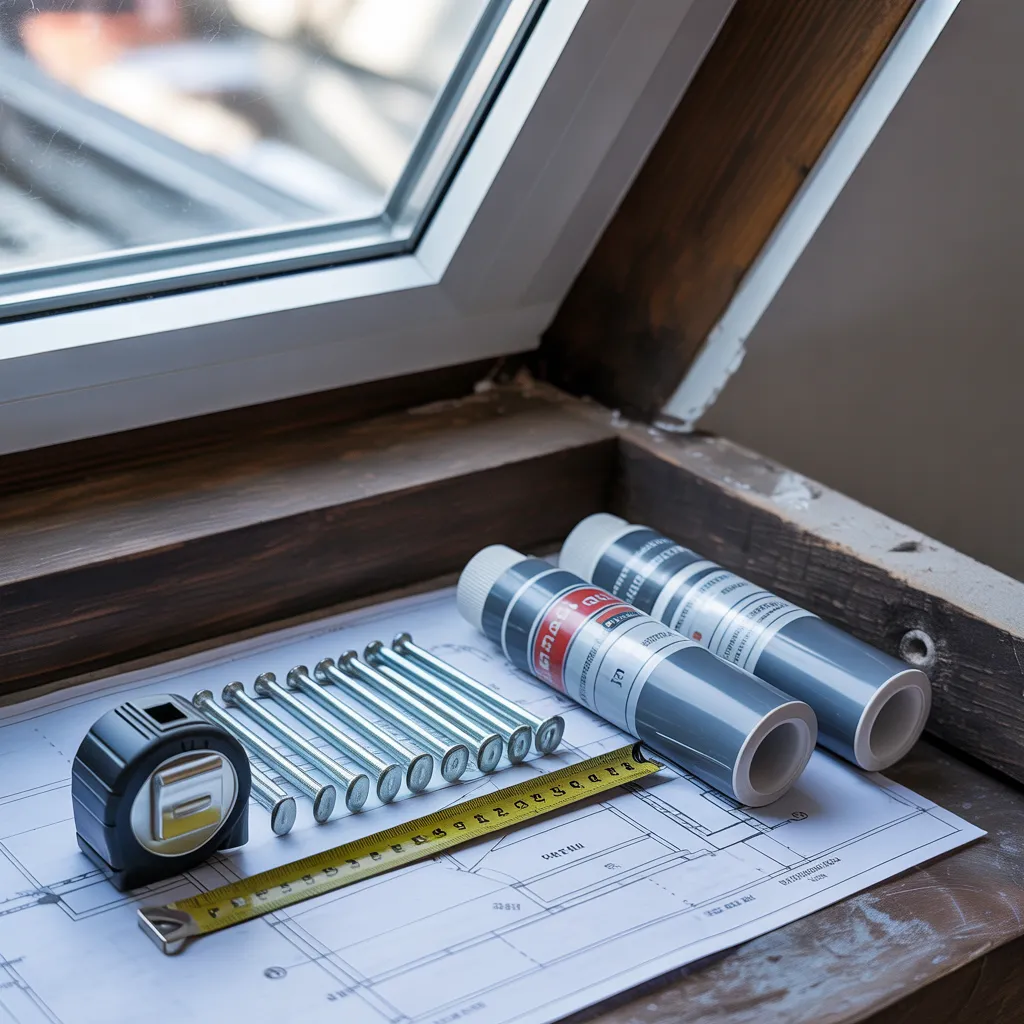
Successful skylight installation requires a dedicated range of instruments and resources to guarantee a secure and efficient process. Key tools encompass a tape measure for precise dimensions, a level to verify precise placement, and a utility knife for precise cuts. A drill is required for boring starter holes, while a hammer and roofing nails fasten the skylight structure. Protective equipment, including gloves and goggles, is equally important for guarding against possible dangers.
Installation materials are comprised of the skylight unit along with flashing for leak prevention and sealant for waterproofing. Additionally, a sturdy ladder is important for accessing the installation site safely. Based on the type of roofing material, shingles or underlayment might also be necessary. Having these tools and materials ready ahead of time will make the installation process more efficient, reducing delays and securing a successful completion.
Complete Step-by-Step Instructions for Installing Your Skylight
Start by choosing the perfect position for the skylight, confirming it aligns with the structural integrity of the roof and optimizes daylight. Next, determine the measurements of the chosen skylight and trace the boundaries on the roof. Carefully remove the roof surface, taking care to work around any underlying structures.
When the opening is complete, use 2x4s to frame the skylight to provide stability and support. Fit a flashing kit along the perimeter of the opening to avoid water infiltration, ensuring it overlaps with the roofing materials.
Set the skylight inside the designated opening, fastening it in accordance with the installation specifications. Seal any gaps with the proper sealant to ensure waterproofing.
Finally, reinstall the roofing components surrounding the skylight, ensuring a snug fit. Within the interior, complete the wall finishing and trim work as required, wrapping up the installation while allowing fill the area with light.
Addressing Common Skylight Installation Challenges
When installing skylights, several common issues can arise that might affect the overall success of the project. Water infiltration, faulty sealing approaches, and improper flashing positioning are recurring problems that can lead to significant problems if not addressed promptly. Understanding how to troubleshoot these issues is essential for a successful skylight installation.
Leaks During Installation
Addressing leaks during skylight installation is essential in order to secure a watertight seal and prevent long-term damage. Property owners should initially check the flashing and underlayment for any gaps or misalignments that might cause water intrusion. Correct positioning of the skylight within the roof opening is essential; any degree of tilt can intensify existing leaks. Throughout the installation process, applying premium sealants and flashing materials is advised to view this guide deliver an additional layer of defense against moisture. Furthermore, inspecting for any debris or blockages that could impede drainage around the skylight is necessary. Regular inspections post-installation can help identify potential issues before they escalate, ensuring the long-term integrity of the skylight and the surrounding roofing structure.
Poor Sealing Techniques
Leaks during installation are commonly caused by inadequate sealing methods, highlighting the need to understand common pitfalls. One frequent mistake is failing to apply an adequate amount of sealant, which can lead to spaces that enable moisture penetration. Homeowners must also ensure the sealant is suitable for use with the skylight material as well as the roofing surface. Additionally, neglecting to smooth and evenly distribute the sealant could produce problem spots that compromise the installation. In some cases, using the wrong type of sealant, such as caulk instead of a flexible roofing sealant, could intensify the complications. By identifying these problems, homeowners can take proactive steps to ensure a completely sealed installation, thereby extending the lifespan of their skylight while avoiding expensive repair work.
Improper Flashing Placement
Securing appropriate flashing placement is vital for a successful skylight installation. Improper flashing can lead to serious water leaks and structural damage, compromising the whole installation effort. It is critical that the flashing fits correctly with the roofing material to form a watertight seal. Homeowners must ensure that the flashing is installed in line with the manufacturer's instructions and that it merges properly with the existing roofing elements. Typical oversights consist of improper alignment, insufficient joint sealing, and neglecting to use appropriate materials. Routine checks following installation can aid in spotting underlying concerns early. Addressing these flashing concerns promptly can save homeowners from expensive fixes and ensure the durability of their skylight. Careful consideration of flashing will support a durable and efficient skylight installation.
Skylight Upkeep Tips for Extended Durability
Regular upkeep is crucial for extending the life of a skylight. Property owners should periodically check the skylight for evidence of wear, such as cracks or fading in the glass. Washing the skylight a minimum of twice annually aids in avoiding dirt accumulation that can block light and affect its appearance. A mild soap mixture and a soft cloth are sufficient for this purpose.
Checking the seals and flashing is essential to stop leaks from occurring. Property owners should verify that these components are undamaged and clear of debris. If any issues are detected, timely repairs can save costly water damage.
In addition, cutting back protruding tree branches can decrease unwanted debris and decrease the chance of damage during stormy conditions. Finally, seek out professional inspections every several years to guarantee that the skylight remains in top condition. By following these tips, homeowners can take full advantage of their skylight features for many years to come.

Frequently Asked Questions
Can I Put in a Skylight Myself, or Should I Bring in a Professional?
Figuring out whether to handle skylight installation personally or bring in a professional relies on the person's expertise and prior experience. When in doubt, seeking advice from a professional can ensure correct installation and prevent possible structural complications.
When Is the Best Season for Skylight Installation?
The ideal time for skylight installation is during spring or early fall. These seasons generally provide moderate weather conditions, reducing the risk of rain or snow, and allowing for ideal working conditions and efficient sealing of the skylight.
What Is the Typical Cost of Skylight Installation?
The typical cost of skylight installation falls between $1,000 and $3,000, depending on factors such as size, material, and installation complexity. Homeowners need to account for supplementary charges for permits and necessary roofing repairs when budgeting for the project.
Can Installing a Skylight Impact My Home's Energy Efficiency?
Installing a skylight can improve a home's overall energy performance by enabling natural light to minimize dependence on artificial lighting. However, improper installation or insufficient insulation may cause increased heat loss or gain, impacting overall energy efficiency.
What Permits Are Needed for Skylight Installation?
Building permits at the local level are generally necessary for skylight installation. Homeowners must check with their municipality to determine the applicable regulations, including zoning laws and structural assessments, to comply with safety and energy efficiency standards.